

Beyond the Controller: Teen Gaming Addiction and the Path to Recovery
The digital age has brought many unseen challenges for today’s teenagers. An emerging concern that affects countless families across the nation is gaming addiction. Parents can struggle to understand how their once outgoing teenager has become consumed by the virtual world. Therapy can provide a path to recovery from the gaming addiction pattern that may have other underlying mental health conditions in teenagers.
Gaming addiction represents more than simply playing too many video games. It involves a pattern that becomes complex as it takes over other interests and daily activities. Teenagers are already navigating the emotional turbulence of adolescence, and gaming may present an escape mechanism that will subtly transform into dependency.
Gaming disorder can have a relationship with bipolar personality disorder, creating an additional layer of complexity. Teens with bipolar personality disorder often experience intense mood swings that can drive them toward excessive gaming during a manic or depressive episode.
When the heightened energy is present during a manic phase, this can fuel a marathon gaming session. However, during a depressive episode, the teen may seek comfort and numbness through virtual achievements and online social connections.
Families need to understand this connection and develop effective recovery strategies. Christian counselors can offer hope to families who are walking through the challenge of gaming addiction in teens. Using a faith-integrated treatment plan, Christian counselors offer healing and restoration, along with proper support.
No temptation has overtaken you except what is common to mankind. And God is faithful; he will not let you be tempted beyond what you can bear. But when you are tempted, he will also provide a way out so that you can endure it. – 1 Corinthians 10:13, NIV
Professional Therapy and Counseling
Professional therapeutic intervention is the foundation of gaming disorder recovery. Therapy for teens struggling with gaming addiction requires specific approaches that will address both the compulsive behavior and the underlying psychological factors that may contribute to the problem.
Cognitive behavioral therapy is one of the more effective approaches in helping teenagers to identify triggers, create healthy coping mechanisms, and establish new thought patterns in recovery support.
Family therapy can play an equally important role in the healing process for teens who struggle with this addiction. Gaming addiction affects the entire family, and it often creates tension, communication breakdown, and emotional distance between parents and teens. Christian Counseling can offer therapy for teens and incorporate family participation to assist in rebuilding trust, improving communication, and cultivating a supportive home environment.
Christian Counselors understand that gaming disorders and other mental health conditions can provide valuable guidance for the families who navigate the challenge of gaming addiction. These counselors combine evidence-based therapeutic techniques and faith-based perspectives to help teenagers understand who they are beyond gaming achievements. The goal of Christian Counseling is to address the spiritual and emotional aspects of recovery.
Teens who struggle with bipolar personality disorder need integrated treatment. Therapy for teens with complicated conditions must address the gaming behavior and the mood instability that often sparks compulsive gaming. Christian counselors who use this approach ensure that the underlying mental health issues receive proper attention while gaming behaviors are addressed.
And my God will meet all your needs according to the riches of his glory in Christ Jesus. – Philippians 4:19, NIV
Establishing Healthy Digital Boundaries
Recovery from gaming addiction requires the establishment of clear and consistent boundaries regarding technology use. Unlike substance addictions, where complete abstinence is possible, gaming addictions have a unique challenge because technology remains necessary for education and daily functioning. This means that teams will need to develop healthy digital boundaries as a critical component of long-term recovery.
One way to help teens regain control over their digital consumption is to set specific time limits for gaming. These time limits should be a collaboration between parents and teens to ensure the limits feel reasonable while promoting accountability. Families often find success with graduated approaches that incrementally reduce game time while increasing engagement and other productive activities.
Another option is to create device-free zones in the home. This will provide essential spaces for face-to-face interaction and non-digital activities. Suggested areas would be bedrooms, dining areas, and family gathering spaces.
By designating these areas device-free, parents can promote healthy sleep patterns and meaningful family connections. By reducing environmental triggers, these physical boundaries support the psychological work of recovery. The boundaries must serve not only the teen’s mental well-being, but also strengthen family relationships.
No one should seek their own good, but the good of others. – 1 Corinthians 10:24, NIV
Building Alternative Activities and Interests
For gaming, recovery relies on replacement to be successful. It will require replacing compulsive gaming with meaningful, engaging activities to provide similar rewards without the potential for addiction. Christian counselors often use therapy for teens to focus on identifying interests and talents that existed before gaming captured the teenager’s imagination and energy.
Physical exercise and outdoor activities can provide great benefits for teenagers recovering from gaming addiction. Regular physical activity will help regulate mood, reduce anxiety, and improve overall mental health, which is important for teenagers dealing with bipolar personality disorder. Organized sports, hiking, and cycling promote physical movement and will counteract the sedentary lifestyle often associated with excessive gaming.
Other alternative outlets for achievement and progress can be found in creative pursuits, such as art, music, writing, or photography. These creative endeavors can present opportunities for skill development, self-expression, and personal accomplishment. By engaging in these activities, teens can make use of different parts of the brain. Consequently, this will allow for healthy dopamine release through genuine achievement.
Another important aspect of recovery is to build social connections outside the gaming world. This will help teens cultivate real-world relationships and social skills rather than solely virtual friendships.
Gaming addiction in teens often leads to social isolation, where online relationships replace face-to-face interactions. Social connections can be rebuilt through school communities and churches, as well as family gatherings.
It’s also important to recognize that healing happens in seasons, and it can require parents to have patience as teens rediscover their interests and relationships beyond the digital world in which they game. Cultivating meaningful relationships takes time and intentionality, but they are extremely important in lifelong recovery from addiction.
As iron sharpens iron, so one person sharpens another. Proverbs 27:17, NIV
Addressing Underlying Mental Health Issues
A gaming disorder will rarely exist in isolation, particularly among teenagers who struggle with bipolar personality disorder. Effective recovery will require comprehensive assessment and treatment of any underlying mental health condition that could contribute to compulsive gaming behaviors.
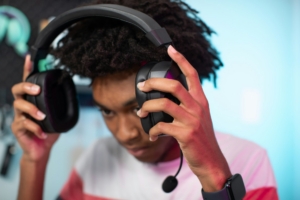 The cyclical patterns that develop between bipolar disorder, personality disorder, and gaming addiction must be addressed simultaneously. During manic episodes, teenagers often engage in excessive gaming as an expression of the heightened energy and intense impulsivity.
However, when experiencing depressive episodes, a team may be driven to game as an escape from overwhelming emotions or feelings of worthlessness. To break these cycles, Christian counselors integrate treatment that addresses both conditions.
There are some instances where medication management may become necessary for teenagers diagnosed with bipolar personality disorder. Mood stabilizers and antidepressants are a few of the psychiatric medications that can help regulate emotional stability. Christian counselors work with psychiatrists to ensure that care is honoring both the medical and spiritual aspects of healing.
Effective therapy for teens will address concerns regarding sleep patterns, nutrition, exercise, social connection, and spiritual well-being. A holistic approach recognizes that recovery involves more than symptom management. Using this approach will support long-term stability and reduce the likelihood of a relapse.
Family education is crucial when bipolar personality disorder is a contributing factor to gaming addiction. Parents will need to understand how a mood disorder can influence gaming behaviors, as well as recognize the warning signs of manic or depressive episodes. This will enable families to intervene appropriately and seek professional help before the gaming behavior escalates.
Amid mental health struggles and gaming addiction, Christian counselors can shed light on the hold it has on teens to strengthen families and develop deeper compassion and understanding.
And we know that in all things God works for the good of those who love him, who have been called according to his purpose. Romans 8:28, NIV
Recovery
Recovery from gaming disorder is a journey rather than a destination, especially for teens, dealing with co-occurring conditions. With proper Christian Counseling, established boundaries, alternative activities, and comprehensive mental health treatment, teens can experience healing and restoration.
Breaking the addiction to the controller requires courage, commitment, and hope from teenagers and their families. If you have a teen who struggles with gaming addiction, reach out to our office today to meet with a local Christian counselor and begin therapy for your teen that will lead to recovery, restoration, and healing.
https://www.webmd.com/mental-health/addiction/video-game-addiction
https://www.verywellmind.com/evolving-definitions-of-addiction-video-gaming-and-its-treatment-implications-5221570
https://psychcentral.com/addictions/coping-with-video-game-addiction
https://www.verywellmind.com/dual-diagnosis-causes-diagnosis-treatment-6499948
https://www.addictionhelp.com/video-game-addiction/counseling/Photo:
“Putting on the Headphones”, Courtesy of Nappy, Unsplash.com, Unsplash+ License