
Helping Siblings Get Along When Insecure Attachment Might Be The Root Cause
Sibling relationships are some of the longest-lasting connections in a person’s life. For most kids, these relationships are a rollercoaster. They share bedrooms, toys, secrets, and sometimes even clothes, but they also share tension, competition, and misunderstandings. One minute, they’re giggling over an inside joke, and the next, they’re fighting over who gets the last cookie.
Some of that back-and-forth is totally normal and part of growing up. When kids struggle to get along, parents rush to look for quick fixes, trying more rules, more separation, or more rewards for good behavior. What’s less talked about is how some deep emotional patterns, like insecure attachment, sometimes shape the way siblings relate to each other.
When kids feel unsure about their place in the family or worry that love and attention are limited, it can lead to rivalry, jealousy, and constant conflict. Understanding this connection helps parents respond with more clarity and patience.
What is insecure attachment?
 Insecure attachment develops when a child doesn’t consistently feel supported, understood, or emotionally safe with the people they rely on most. This doesn’t mean the parent is neglectful or unloving. It can stem from stress at home, busy routines, or even well-intentioned but inconsistent responses from adults.
A child with insecure attachment might question their place in the family. They may feel unsure of their worth, worry about being left out, or struggle to trust that love will stick around. And when those worries bubble up, they often play out in sibling relationships.
If one child feels less secure than the other, they may see their sibling as a threat or a competitor. Even small things, like who gets the bigger slice of cake or who sits next to mom, can trigger strong reactions. They may try harder to grab attention, push boundaries, or even pick fights. This is not because they want to be difficult, but because they’re trying to feel noticed or reassured.
Why Sibling Conflict Might Actually Be a Cry for Connection
When siblings clash, it’s easy to zoom in on the behavior. Who pushed whom? Who started it? Who broke the toy? But often, the fighting masks a deeper need, like a craving for connection.
A child who doesn’t know how to ask for attention in a healthy way might act out toward a sibling instead. Teasing, interrupting, or picking a fight can be their (imperfect) way of saying, “See me. Hear me. Be with me.”
While that doesn’t make the behavior okay, it gives us a different insight. When we respond with curiosity instead of just punishment, we give kids the message: “I see something bigger going on here, and I’m here to help.”
Some sibling disagreements are normal. But if you’re noticing patterns that go beyond typical sibling squabbles, insecure attachment could be a factor.
Signs That Insecure Attachment Might Be at Play
- One child is always trying to win or be better than the other
- Constant tattling, blaming, or pointing fingers
- Avoiding time with a sibling or refusing to play together
- Intense reactions to small things (like who gets more attention)
- A child who seems anxious when their sibling gets attention
- Difficulty apologizing or making up after a fight
Such behaviors normally aren’t just about personality. They may reflect deeper worries about safety, love, and connection.
The Subtle Messages Kids Pick Up at Home
Kids are always watching and listening. Not just to what we say, but how we say it. If one child gets more praise, more comfort, or more freedom (even unintentionally), the other might start to feel less important. Even offhand comments like “She’s the responsible one” or “He’s so dramatic” can leave lasting impressions that shape how kids see themselves and each other.
These subtle messages shape how kids see themselves and each other. A child who feels less than their siblings might start to act out, withdraw, or constantly try to prove that they’re enough. But when we stay mindful of how we respond to each child, we can create a home where everyone feels seen, heard, and valued.
When One Child Always Seems to Need More
 You might notice that one child seems to need extra attention, more reassurance, or more help than their siblings. This can be exhausting for parents, especially when it feels like one child is always taking up space. This usually isn’t about being spoiled but more about emotional safety. That child may be unsure whether they’re truly loved, so they cling a little tighter or demand more control.
The good news? Meeting their emotional needs, through routines, calm reassurance, and dedicated one-on-one time, can help them feel more secure. Over time, they’ll likely become less reactive and more comfortable sharing space with their sibling.
Knowing When to Step in and When to Step Back
As parents, it’s tempting to referee every sibling spat. But not every argument needs adult intervention. In fact, jumping in too quickly can prevent kids from learning how to solve problems on their own. On the flip side, ignoring repeated conflict outright can leave kids feeling like no one has their back.
So how do you know when to step in?
It’s time to step in if things are escalating, someone feels unsafe, or the same issue keeps repeating. Step back if the conflict is minor and the kids seem capable of working through it. When you do intervene, focus on guiding, not punishing. Use calm language, help each child express their feelings, and guide them toward a solution. If the conflict is minor and both kids seem capable of handling it, give them a chance to try.
What to Do When It Feels Like the Fighting Never Stops
- Spend one-on-one time with each child regularly. It helps them feel secure and less likely to compete for your attention.
- Avoid comparisons. Even light-hearted ones like “He’s the smart one” can cause resentment.
- Teach simple ways to express emotions. Give your child the words, like “I feel left out,” so they don’t need to act out to be heard.
- Pay attention to when fights tend to happen. Is it around bedtime? Shared toys? Once you know the triggers, you can set clearer expectations or offer more support in those moments.
- Create shared positive experiences. Game nights, family walks, or silly routines help siblings connect outside of conflict.
- Respond with curiosity. If one child tends to dominate or pull away, ask, “What were you hoping would happen?” instead of jumping to discipline.
- Encourage repair. Teach them to apologize, listen, and make amends. Model this yourself by owning mistakes and showing how to rebuild trust.
- Celebrate each child’s growth. Focus on their efforts, not just achievements, so they feel valued for who they are, not how they compare.
Sometimes, sibling struggles go deeper than day-to-day squabbles. If a child has experienced trauma, bullying, or ongoing stress, it can affect how they relate to others, especially their siblings.
In these cases, therapy can be a powerful tool. A child therapist can help kids unpack their emotions, develop healthier coping skills, and build stronger relationships. They can also support parents in understanding what their child really needs and how to meet those needs without burning out.
The Big Picture: It’s about emotional safety, not just behavior
Helping siblings get along isn’t just about stopping fights or managing behavior. It’s about creating a home where every child feels emotionally safe, valued, and connected.
When kids feel secure, they don’t need to compete for love. They’re better able to handle conflict, show empathy, and grow into the kind of siblings and humans who treat each other with kindness and care. That’s the kind of relationship that can last a lifetime.
If you’re worried that something deeper might be going on, there are many licensed child therapists available here, just a call away. Getting support now can make a lasting difference in your child’s emotional world and in the bonds they build with their siblings. Reach out to this office to learn more.
Photos:
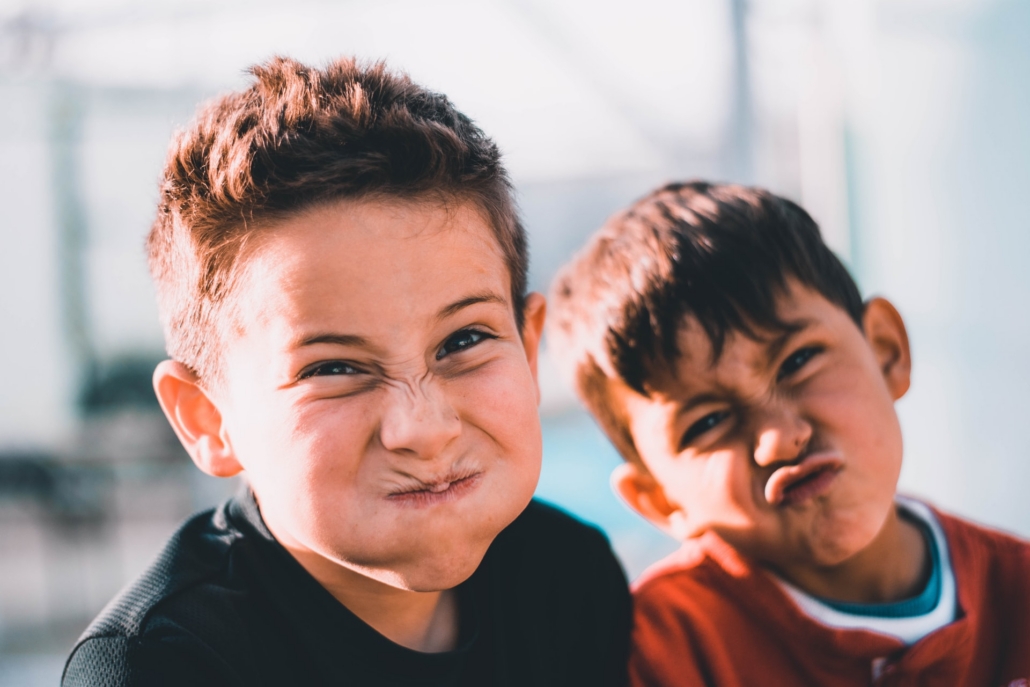
“Silly Faces”, Courtesy of Austin Pacheco, Unsplash.com, CC0 License; “Sitting on a Hammock”, Courtesy of Sr. Janko Ferlic, Unsplash.com, CC0 License