

The Unseen Cost of Grief and Loss for Children
While there are many books about helping children through grief, there are unseen costs that can be overlooked as a child gets further from the initial grieving season.
The unseen cost of grief and loss in children can be found by taking a deeper look at how they process identity, family, and friendship – and what it means to process the perceived loss of any one of those.
How a Child’s View of Self Changes Due to Grief
When a child is young, his or her caregivers are tied to their identity. Even a mediocre parent is an integral part of the formation of a child’s sense of self from a young age.
That’s partly why research tells us that narrative therapy can be so powerful for adults who experienced a lack of attachment to their primary caregivers in childhood; the therapy walks them through the process of forming a new sense of identity by examining the attachment that didn’t take place as it should have.
Whether they lost a caregiver due to death or divorce, abandonment, or simply separation that requires a season of living far from that caregiver, a child can be devastated. This doesn’t just impact the child’s relationship with that caregiver.
It impacts their view of themselves because they may struggle to gain the confidence that comes from a stable home life, a steady, consistent primary caregiver, and a deep-seated knowledge that their primary caregiver will be there for them.
When loss interrupts or removes this awareness, a child becomes unsure of who they are. It can cause a boisterous, playful child to become quiet, reserved, and unwilling to try new things. Or it may mean that as the child grows into adolescence, they’re more likely to be a follower rather than a leader who is sure of themselves and can pinpoint what part of following is unhealthy and avoid it.
Grief, then, plays an important role in how a child walks through and recovers from loss of self. We tend to acknowledge the loss of a role in a child’s life, such as the death of a parent, the divorce of two parents, or even something like moving away from a best friend. But amid grief, it’s important to help the child see the connection between that loss and how it impacts how they see themselves.
How to Help a Child or Teen View Themselves in Light of Loss
Because a child can lose a caregiver, friend, or family member in more ways than one, it’s important to talk about the actual loss. Was it the loss of a friendship after a cross-country move or the loss of a beloved aunt due to death? Or did their parents divorce, so the loss is felt in norms that have been removed?
Talking about the loss will help a child acknowledge where the grief comes from. This may be overlooked because, as adults, we assume it’s a normal process. For children, though, and even teens, it can be incredibly healing to talk about and name what they miss.
“I miss the way we used to run to each other’s houses after school.”
“I miss how Aunt Jane always baked cookies when we came over.”
Letting a child or teen talk about what is lost is an important step in not just grieving the actual loss but grieving their self-perception as it relates to the loss.
Helping them understand that it’s okay if they feel shaky in themselves when they’ve lost an important daily figure in their lives, such as a best friend who always rode with them on the bus or a dad who picked them up after dance every Tuesday and Thursday but now is unable due to distance, death or divorce.
Normalizing emotions is another key to helping a child or teen go through grief in a way that helps them recover over time.
When you try to move on too quickly, without acknowledging or revealing your own emotions, it signals to a child that he or she should also get on with the business of moving forward. However, because a child is immature in his brain wiring, this can be misunderstood to mean they should ignore their sense of loss and their emotions, and pack it up like a suitcase when going on a trip.
Unfortunately, their “suitcase” will pop open unexpectedly when this happens – giving them a host of emotions later in life that weren’t expressed when they needed to be and maybe even stunting some of their emotional maturity and growth.
 So, letting your child see you cry if you are upset, talking about feelings, and giving extra grace when it comes to expectations of your child are all helpful. Ease up on their chores and homework while they grieve; let them take some time off from a sport or music pursuit if that’s what they need.
But don’t let them just be alone during those absences. Be intentional in spending time with them, remind them that loss is hard, and grief takes time, and be available when they want to share how they’re doing.
Grief Can Impact Children’s Future Relationships or Friendships
Because a child who loses a parent endures such emotional pain, it’s clear why he or she may have a hard time bonding with a future caregiver. When Mom remarries after a divorce or someone new steps into her life after years of being a widow, even adult children can struggle.
They’re allowed to be fearful of how that new relationship will impact their other caregiver. But they also may be afraid of getting too close themselves. After all, they know what it feels like to lose someone they love.
If a child has lost a friend due to a big move, the grief they’re experiencing may contribute to hesitance about making new friends or trying a new activity.
In a scenario where grief has caused some hesitation to form new relationships, there are things you can do to help a child or teen.
First, don’t push your child or teen into forming new relationships. It’s natural to need time to accept the loss of a friend, even if it’s simply a friend who has moved away.
Second, encourage your child to continue routines – after skipping a week of the sport they love or easing up on their homework for a period of time, remind them that picking up these things will restore some normalcy to their lives, especially if they are old enough to understand.
If they are too young to understand, then simply keeping their routines as close to what they were before will help children to have something familiar in the wake of having lost a treasured friend.
Third, find therapists who specialize in talking with children and teens. Psychologists can work with your child or your teen in a way that meets them where they are – not where they or you feel they need to be. This gentle approach gives them hope that where they are today is okay, and yet, there’s hope for healing in the future.
Finally, helping a child take relational risks in the future should be child-led. Perhaps, over time, you notice your child or teen regaining interest in trying out a new activity. If your teen goes to high school and decides being on the newspaper staff might be fun, let him or her adjust to the new activity and find friends over time.
Trusting the process can be the toughest part of watching a child or teen go through grief. It’s so difficult to see someone you love hurting. But when they know it’s okay to feel how they feel, that they are loved, and that they have a supportive group around them, they’ll find their new footing.
A grief group or a grief counselor can also be part of their support team, helping them know they’re not alone and they’re not the only child or teen going through something so difficult. To meet with a counselor or therapist who can help your child navigate their grief, contact our offices today.
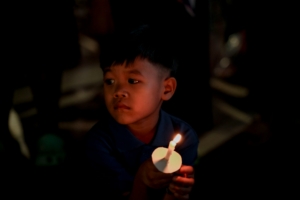
“Boy With Candle”, Courtesy of an Thet, Unsplash.com, CC0 License