
Is Play Therapy Right for My Child?
Play therapy is both a therapeutic approach to treat and a diagnostic tool to help identify psychosocial issues children may have. If your child is having issues at school or home, you’re raising a foster or adopted child, or your child is exhibiting behavioral issues in multiple settings, you may be at your wits’ end and not know what to do. Play therapy often has a positive impact on children and families.
There are multiple reasons a family might seek play therapy for their child. Helping a foster or adopted child integrate into a family unit is one. Others may include helping a child who is undergoing life transitions, exhibiting behavioral issues such as aggression or self-hatred, or difficulty with self-regulation skills and making friends. These are just a few reasons a family may seek play therapy.
If your child seems to show signs of depression or anxiety, talks about the same topics obsessively, struggles to transition between tasks, move from side-by-side play to interactive play, or has undergone intense medical or health issues, these can all be reasons to seek therapy.
Play therapy is most often used with children ages 3-12. However, it is important to remember that not every child’s chronological age may match their developmental age. This is especially true with children who have special needs or have experienced trauma.
Therapy practices may recommend play therapy for children whose language skills and emotional processing are not maturely developed enough to talk with a therapist in a clinical or counseling setting. Also, children need movement, which talk therapy settings don’t always provide.
Children process the world around them and their emotions through play. This is primarily because words can limit their ability to verbalize how they’re feeling. Play therapy is much more than simply playing. Therapists pay close attention to the choices children make and how they use the supplies.
Supplies in a play therapy room might include art materials, costumes, stuffed animals, dolls, imaginative play toys, and toys that promote hands-on play, such as slime or sand. Therapists must be specifically play therapy certified, but their approaches to a child’s therapy session can differ.
Approaches to Play Therapy
There are four evidence-based approaches: Child Parent Relationship Therapy, Child-Centered Play Therapy, Child-Centered Group Play Therapy, and Theraplay®.
Play therapy falls into two distinct categories. The first is directive, where a therapist guides a child through specific play scenarios, games, and activities while observing how the child plays in those prescriptive settings. The second is non-directive, in which a therapist lets the child explore and choose their own routes to play while observing which choices the child makes.
Child Parent Relationship Therapy
Child Parent Relationship Therapy is commonly used with children ages 2-10, and it focuses on helping to strengthen the connection between caregivers and their children. Whether an adoptive or natural parent, the caregiver learns in prescriptive sessions how to accept their child and communicate unconditional acceptance.
Other resources the therapist helps parents with include recognizing how a child feels and communicating it back with empathy to the child, learning how to listen without fixing things or passing judgment. Parents are also taught how to see a child’s strengths in modalities more commonly associated with adults, such as problem-solving.
Through a series of modeling sessions with the therapist and child-centered play sessions with their children as homework, the bond between a parent and child grows.
Child-Centered Play Therapy
Child-Centered Play Therapy is a non-directive form of play therapy that allows a child to be in control. It also approaches therapy from the understanding that a child is first human, worthy of respect, empathy, care, and the ability to trust.
 Because of the human-centered approach, a therapist’s primary task is to build a rapport with the child. It’s essential that the child trusts the therapist and feels heard. Another distinctive aspect of this approach is that the therapist pays attention to how a child plays because it’s the primary form of communication and allows the therapist to mirror back to the child the emotions, context, and language of play.
Child-Centered Group Play Therapy
While this form of therapy is still focused and led by the child, it’s not focused on one individual child as much as it is the group. The group of children practices communication, social awareness, emotional processing, and other aspects of socio-emotional well-being under the supervision of a trained play therapist. This type of therapy helps children who may struggle with peer relationships and expressing themselves in social settings appropriately.
Theraplay®
Theraplay® is a type of therapy that helps a parent and child form a strong attachment. It has existed for more than 50 years and is recognized by the Association of Play Therapy for its approach in helping build up the attachment that a child has with their primary caregiver.
Through helping a parent and child play intentionally, the play therapist guides them through expressions of compassionate care, playfulness, and other forms of play. They all communicate that a child is safe, nurtured, loved, enjoyed, and worthy of the parent’s attention.
Is Play Therapy Right for My Child?
Research shows that play therapy is particularly effective for children dealing with transitions such as the divorce or death of a parent or moving to a new geographic area. It can also be healing for children who are processing a traumatic event, such as war, viewing abuse at home, homelessness, neglect, experiencing abuse, or medical trauma.
If your child is above the age of 10, some therapists may recommend a form of talk therapy. This could be group or individual, and include family or not. This is primarily because a child may need to feel comfortable in a space, and a room with toys geared to younger children can make an adolescent feel like they’re being treated in a condescending way. It depends on the child, what they need to process, and their developmental stage.
Children ages 2-10 who benefit most from play therapy may be dealing with the following:
- Autism Spectrum Disorder
- Behavioral issues
- Social anxiety
- Fear
- Lack of confidence
- PTSD
- Speech difficulties
- Sensory processing disorders
- Disruptive acting out toward friends, classmates, and caregivers
- Internal battles such as anxiety or depression
- Coping with a medical diagnosis or procedure
- Grief and loss
- Emotional awareness or dissociation
While this list is certainly not exhaustive, it portrays a broad range of how a child may process or struggle to process the world around them and their inner world. Through play, a child is met on his or her own terms in a therapeutic setting designed to build the foundations of healthy social, emotional, and mental health.
Having a restored sense of attachment with a caregiver sets the tone for teen and adult development in a way that nothing else does. Children who have struggled with attachment must be allowed to grieve if they’re experiencing homelessness or instability at home, if they’re adopted, or if their parents have not formed healthy attachments that communicate being safe and seen.
Common reasons a parent may not be able to develop those healthy attachments are when they themselves did not experience healthy attachments. This could be because of things like medical problems, mental health crises, or severe trauma and abuse in their lives. In these contexts, parents who can better learn how to attach with their child through play can move forward with the understanding that their parent-child relationship can thrive in a warm, safe environment.
If you believe your child could benefit from play therapy, contact an office near you. The first step is setting up an appointment with a certified play therapist to discuss your child’s wellness and mental health needs. At that time, you’ll be asked to complete an intake questionnaire and talk with the therapist to devise a plan that can be individualized to your child’s needs.
You have not failed if your child needs to see a therapist. In fact, reaching out for help is a step in the right direction to give your child the best opportunity to develop healthy connections as they grow.
Your commitment to your child’s well-being is commendable, and a therapist will not be scrutinizing your parenting skills to judge, shame, or find fault. A play therapist’s goal is to help your child receive the best possible care, and that often means equipping parents with tools for that care to continue once therapy sessions are over.
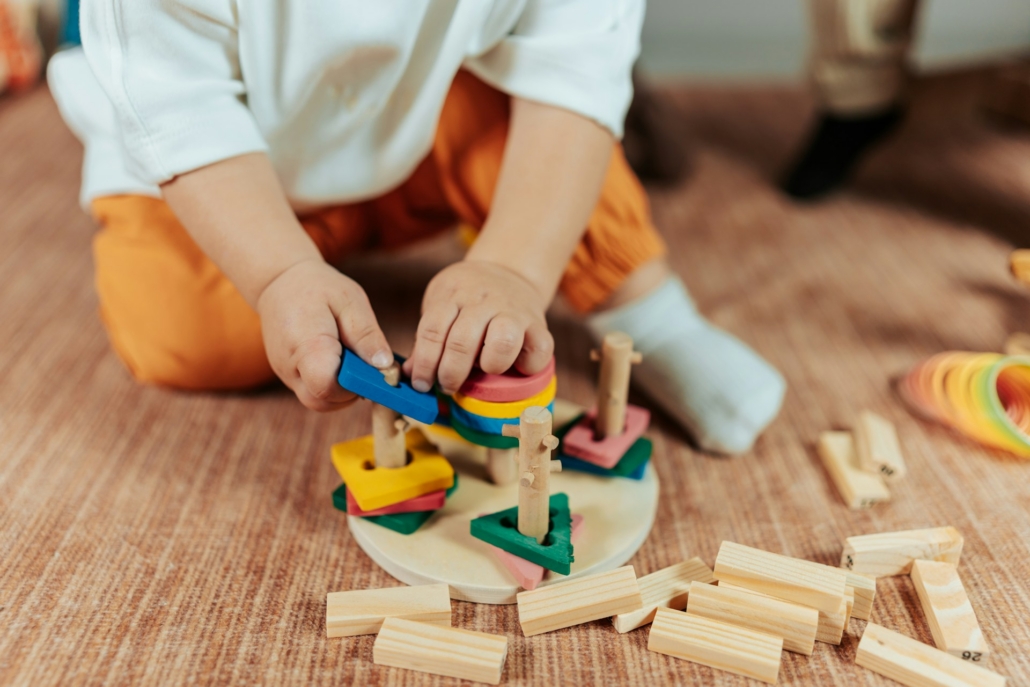
“Child’s Toys”, Courtesy of Yunus Tuğ, Unsplash.com, Unsplash+ License